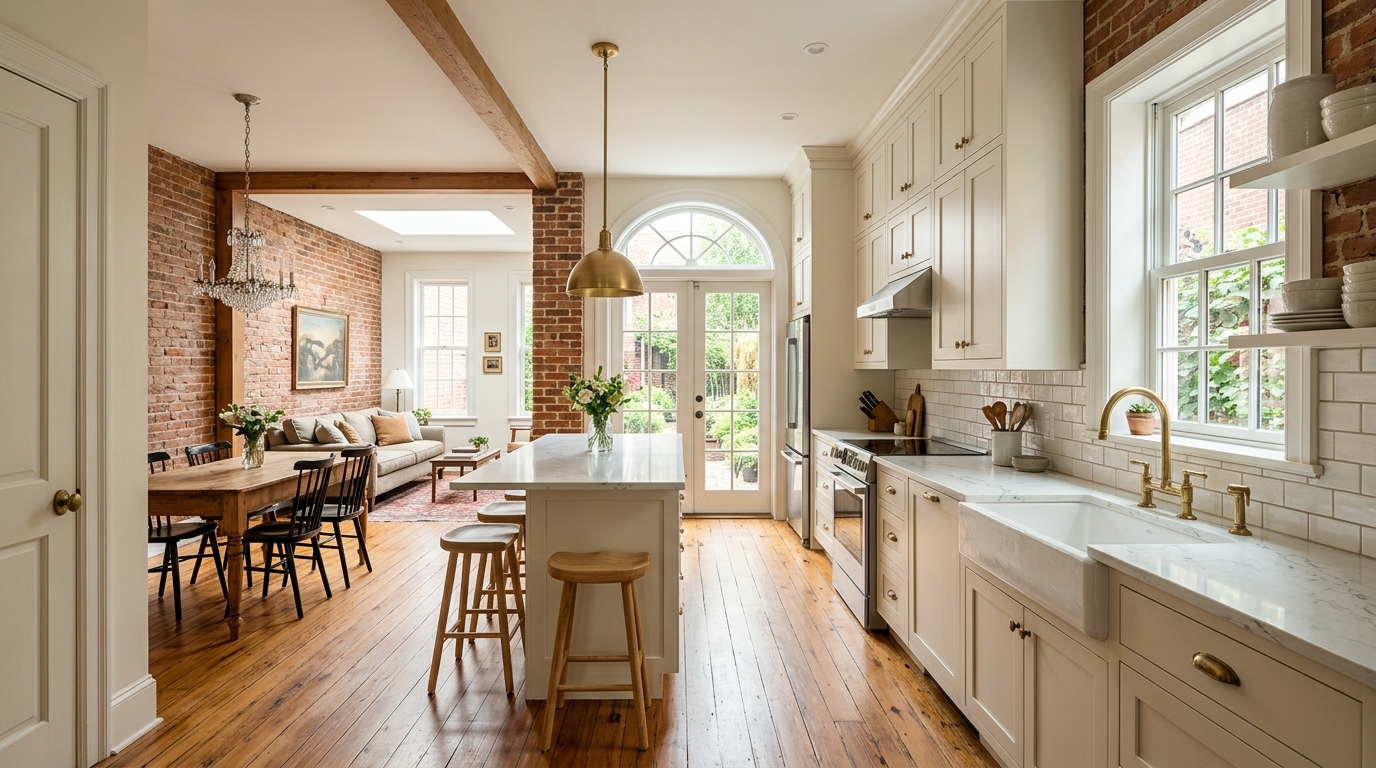
Baltimore Kitchen Remodeling & Historic Row House Renovations
Specialized in opening up narrow historic row house kitchens, open floor plans, and luxury chef spaces across Baltimore.
Full-scale remodels from $38,000 – $65,000 · Specialists in Historic Brick Row Homes & Canton/Fells Point Renovations
Free Design Consultation
Baltimore Kitchen Remodeling Services
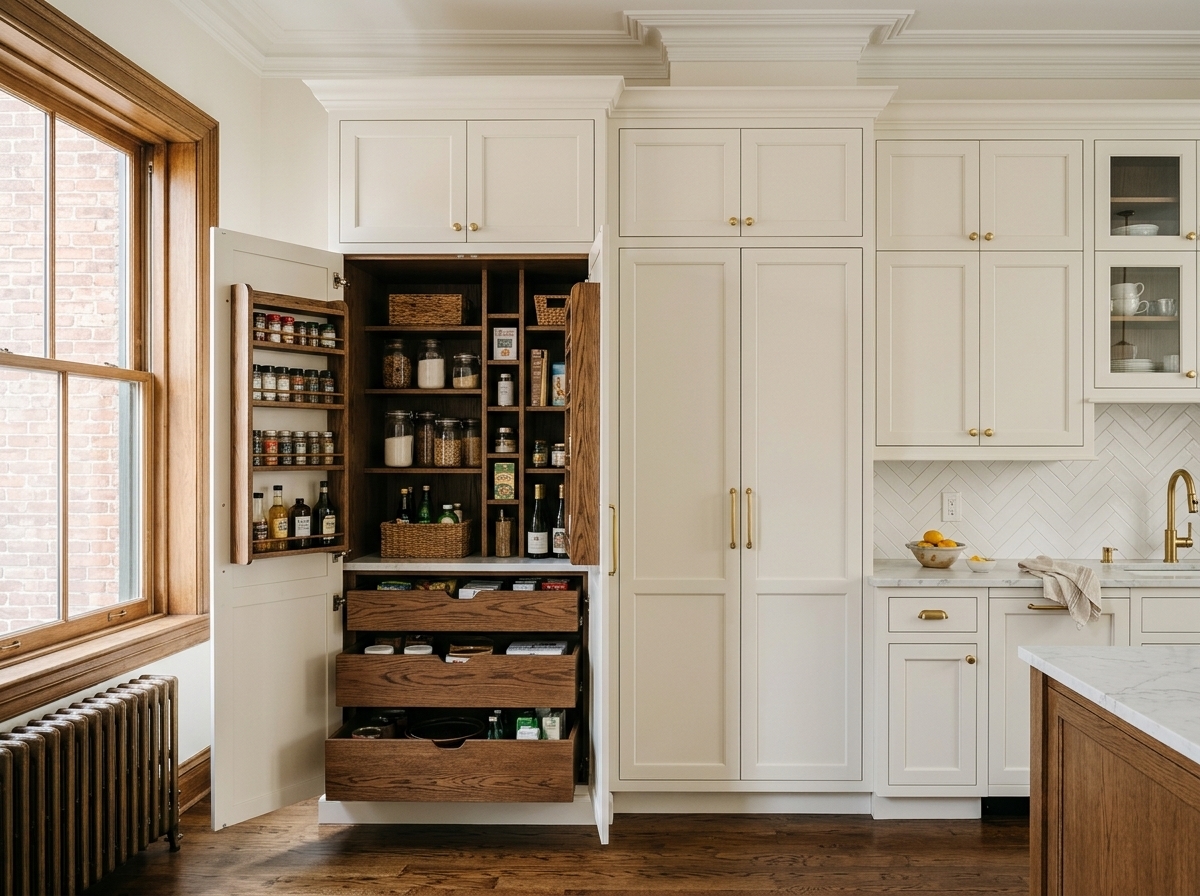
Space-Maximizing Row House Cabinets
Vertical ceiling-height storage, pull-out spice racks, and smart corner optimization.
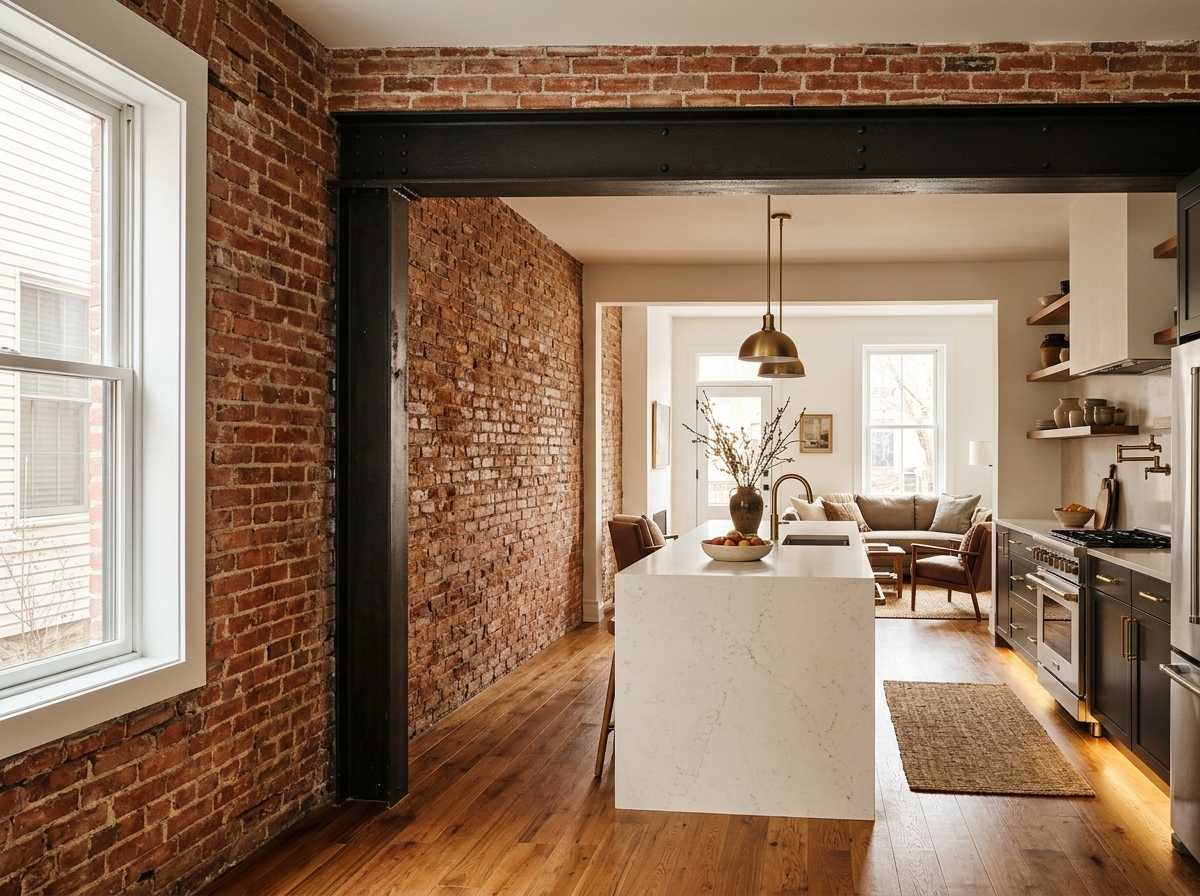
Brick & Timber Wall Removal
Reinforced steel header installation for row homes to achieve wide, open living.
Quartz Slabs & Subway Tile Walls
Classic and contemporary surfaces tailored to historic architectural charm.
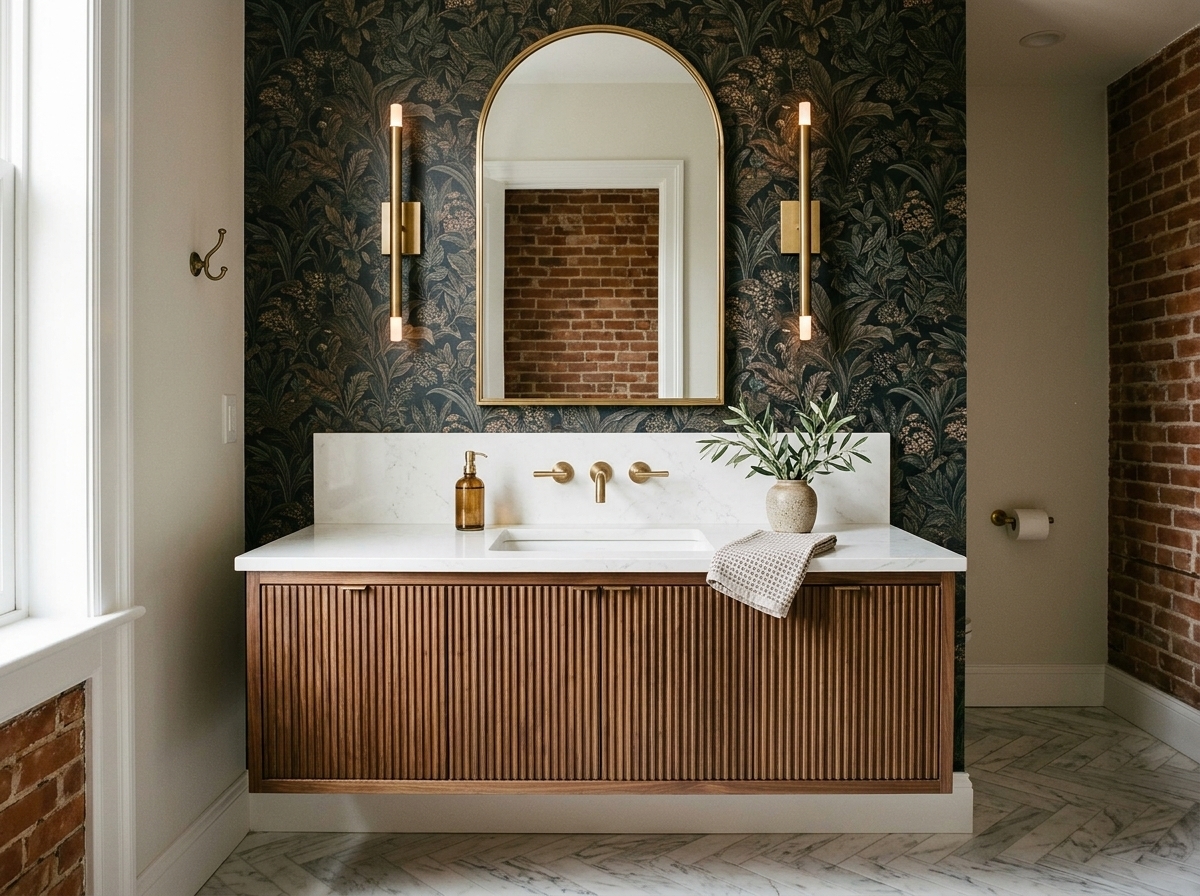
Master Bath & Powder Room Remodels
Custom space-saving vanities, walk-in glass showers, and brass fixtures.
Recent Baltimore Kitchen & Bath Projects
What a Kitchen Remodel Costs in Baltimore
Typical Baltimore projects — Historic Brick Row Homes & Canton/Fells Point Renovations — by scope. Transparent ranges, before you call anyone.
Mid-Range
$38,000 – $65,000
Semi-custom cabinetry, quartz counters, new layout tweaks.
Custom High-End
$65,000 – $105,000
Fully custom cabinets, premium appliances, structural changes.
Luxury Full-Gut
$110,000 – $175,000+
Complete gut, redesigned floor plan, bespoke everything.
Neighborhoods We Serve
The Complete Guide to Kitchen Remodeling in Baltimore
Baltimore is a city of rowhouses. Brick fronts, marble stoops, formstone facades, and long, narrow floor plans define most of the neighborhoods where homeowners are investing in kitchens, from the waterfront streets of Canton and Fells Point to the hilltop blocks of Federal Hill and the grand terraces around Mount Vernon. A kitchen remodel here is rarely a simple swap of cabinets. It usually means working inside a building that is a century or more old, attached on both sides to a neighbor, and organized around a front-to-back plan that was laid out long before open living, island seating, or a 36-inch range existed.
What Baltimore homeowners actually renovate tends to follow the same pattern. The original kitchen sits at the back of the first floor, often in a rear ell or a former summer kitchen, separated from the dining room by a wall that may or may not carry load. People want light, circulation, and a place to cook and gather without giving up the character that made them buy the house. That points to a familiar set of projects: opening the kitchen to the dining room, reworking a cramped galley, replacing sagging floors and outdated wiring, adding storage that goes to the ceiling, and finishing with surfaces that feel at home next to plaster, heart pine, and old brick.
Full remodels at the $40,000 to $120,000 or higher range are common in this market because of how much hidden work the houses hold. Behind the plaster there may be knob-and-tube remnants, cast-iron drains, undersized joists, lead-painted trim, and brick party walls that vary from one lot to the next. Design-build is a strong fit for that reality. When the same team designs, estimates, permits, and builds, the surprises that always turn up during demolition get solved inside a single accountable process instead of becoming a dispute between a designer, an engineer, and a contractor.
This guide is written for Baltimore homeowners who want straight answers. It covers the housing stock you are likely working with, who permits what in Baltimore City and in neighboring Baltimore County, what drives cost here, how the Mid-Atlantic seasons affect construction, and what a realistic timeline looks like. Requirements and programs change, so treat the specifics as a starting point and confirm current rules with the agencies named below before you commit to a plan.
Baltimore Housing Stock: Rowhouses, Formstone, and Garden Suburbs
The rowhouse is the defining Baltimore building type. Early examples in Fells Point are commonly in the range of 12 to 14 feet wide, while later neighborhoods such as Canton and Federal Hill often run somewhat wider, frequently up to around 16 feet. Floors span between two shared masonry party walls, and the kitchen typically lives in a narrower rear wing. Many blocks were built speculatively in long continuous runs, so the quality of brick, mortar, and framing can differ noticeably from one block to the next, even within the same neighborhood. In Canton, Highlandtown, and parts of East Baltimore you will also see formstone, a molded stucco product marketed in the mid-twentieth century that was applied over brick with wire lath. It affects exterior work far more than interior kitchens, but it is part of why exterior changes deserve careful planning.
Inside these houses, the typical kitchen problems repeat. Rooms are narrow, so a standard run of cabinets on both sides leaves little aisle width, and a modern island often will not fit without removing or relocating a wall. Floors can slope toward the middle of the house after a century of settling and notching for old pipes. Electrical service in unrenovated homes may be limited, with few circuits for a modern kitchen. Plumbing stacks, often cast iron, tend to sit near the party walls, which makes relocating a sink a larger decision than it appears on a plan. Ceilings can be tall, which is an opportunity for full-height cabinetry, but plaster and lath ceilings also make routing new ductwork or recessed lighting harder than in drywall construction.
Not every Baltimore kitchen sits in a rowhouse. North of the center, Roland Park and Guilford are early twentieth-century garden suburbs with larger detached and semi-detached houses, Tudor and Colonial Revival styles, and bigger, more irregular kitchens that often need reworking for modern appliances and family use. Towson, the Baltimore County seat just north of the city line, mixes mid-century brick houses, older Victorians, and later infill. Houses built before 1978 may contain lead-based paint, and older flooring, pipe wrap, and plaster can contain asbestos, so testing and proper handling belong in the plan before demolition begins.
Permits and Approvals for Kitchen Remodels in Baltimore
Permitting authority: Baltimore City Department of Housing and Community Development (DHCD), Permits and Code Enforcement; Baltimore County Department of Permits, Approvals and Inspections for Towson; Maryland Home Improvement Commission (MHIC) for contractor licensing
In Baltimore City, building permits are handled by the Department of Housing and Community Development through its online ePermits system. As a general rule, cosmetic work that keeps everything in place, such as new countertops, flooring, paint, or cabinet replacement in the same layout, typically does not need a permit. Work that changes structure, adds or relocates plumbing or gas lines, adds circuits, upgrades an electrical panel, or adds new ventilation ducting to the exterior generally does. Trade work such as plumbing and electrical normally has to be performed and permitted by appropriately licensed professionals. Rules and fee schedules change, so confirm your exact scope with DHCD before you sign a contract. Skipping a required permit can bring stop-work orders and fines, and it can complicate a later sale.
Historic review is a separate layer. Baltimore's Commission for Historical and Architectural Preservation (CHAP) administers local historic districts, and neighborhoods such as Fells Point, Federal Hill, and Mount Vernon include locally designated areas. CHAP review generally focuses on exterior changes visible from the public right of way, such as windows, doors, rear additions, roof work, and demolition, rather than on purely interior kitchen work. That means a kitchen that stays inside the walls is usually not reviewed, while a rear addition, new rear window opening, or a change to a visible exterior wall may require approval before a permit is issued. Interiors can still be affected when a property carries a preservation easement or when you are using historic tax credits, so ask early. Neighborhoods such as Roland Park and Guilford also carry private deed covenants and architectural review through their own associations, which are separate from city permitting.
Towson is not in the city. It sits in Baltimore County, where permits are handled by the county's Department of Permits, Approvals and Inspections, and applications are submitted online through the county's permit portal. County licensing rules for electrical and plumbing or gasfitting contractors differ from the city's, so a contractor who works on both sides of the line must follow each jurisdiction's procedures. Maryland also requires contractors who perform residential remodeling to hold a license from the Maryland Home Improvement Commission, which regulates contract content and maintains a guaranty fund for eligible homeowner claims. Plan review for city one- and two-family projects has historically been measured in weeks rather than days, and structural work can take longer, so build permit time into your schedule and ask for current estimates.
What Drives Kitchen Remodeling Cost in Baltimore
Price ranges in this market vary widely, and the benchmarks that guide most planning conversations are roughly $38,000 to $65,000 for a mid-range remodel, $65,000 to $105,000 for custom high-end work, and $110,000 to $175,000 or more for a luxury full gut. Where a specific project lands depends heavily on the factors below. Treat these ranges as planning benchmarks, not quotes.
- Structural work in brick and timber
- Opening a rowhouse kitchen to the dining room often means replacing a bearing partition with a steel or engineered beam, adding posts and footings below, and sometimes pocketing into brick party walls. An engineer's drawings, permit review, shoring, and inspection all add cost, and the number rises quickly if the floor system has been notched or has settled. This is frequently the single largest swing factor in a Baltimore rowhouse budget.
- Concealed conditions in older houses
- Century-old homes hide surprises: undersized or deteriorated joists, cast-iron drain lines, outdated wiring, and plaster that cracks when disturbed. Good contractors carry an allowance for the unknown. Homes in Fells Point, Federal Hill, and Mount Vernon, where renovations may already have been layered over decades, can be especially unpredictable.
- Lead and asbestos precautions
- Many Baltimore houses predate 1978, so paint disturbed during demolition may contain lead. Federal renovation rules require lead-safe work practices from certified firms in many pre-1978 homes, and Maryland has additional rental-property lead requirements. Containment, protective measures, and testing add labor, and suspect materials may need asbestos testing before they are disturbed.
- Tight access and urban logistics
- Narrow streets, limited parking, stoops, and no side yard make deliveries and debris removal harder. Hoisting steel, moving full slabs of stone, and staging a dumpster on a rowhouse block may require street permits or extra labor, which adds to the schedule and the budget compared with a suburban house with a driveway.
- Materials matched to historic character
- Many Baltimore homeowners want finishes that suit old brick and heart pine, such as inset or full-height cabinetry, honed stone, unlacquered brass, and period-appropriate tile. Custom millwork for odd wall dimensions costs more than stock cabinets, but it often returns the most value in a narrow footprint where every inch of storage matters.
- Resale expectations by neighborhood
- Cost vs. Value surveys of remodeling projects have generally found that moderate, well-executed kitchen updates recoup a larger share of their cost than very high-end remodels. In Baltimore, the right spending level depends on your block, your plan to stay, and what nearby homes have sold for, so a local agent's opinion is worth getting before finalizing scope.
Seasons & Climate in Baltimore
Baltimore has a humid, Mid-Atlantic climate with hot, muggy summers, cold but usually not extreme winters, and shoulder seasons that are good for construction. Kitchen remodels are largely indoor work, so the weather matters less than it does for an addition, but it still shapes the schedule. Exterior tie-ins such as a new rear window, vent penetration, or deck door are best handled in drier, milder weather. Summer humidity can slow plaster and joint compound drying and stresses wood floors, so finish carpentry benefits from stable indoor conditions. Heavy summer thunderstorms can also expose any roof or flashing weaknesses around a rear ell, so inspect those before opening walls.
Many homeowners plan around the calendar of their lives rather than the weather. Starting in late winter or early spring often lets a project finish before the holidays, while an autumn start risks supply delays that run into December. Lead times for custom cabinets and stone slabs commonly run several weeks, so ordering early matters more than the month you demolish. Since the kitchen will be out of service for weeks, a temporary setup in a dining room or basement is typical, and summer gives you the option of grilling outdoors, while winter makes a basement or dining-room prep area more important. Energy upgrades can also be timed with the project. Utility programs delivered through BGE and the statewide EmPOWER Maryland framework have offered rebates for items such as ENERGY STAR equipment and home performance work, but offerings and amounts change, so verify what is currently available before relying on a rebate.
Kitchen Remodel Timeline in Baltimore
1. Design, measurements, and scope definition (3 to 6 weeks)
Site measurements, layout options, and a first look at structural and mechanical conditions. In a rowhouse this phase includes deciding whether a wall is bearing, what the floors are doing, and where plumbing stacks sit. Selections are made here so that long-lead items can be ordered early.
2. Engineering, permits, and approvals (2 to 8 weeks, sometimes longer)
Structural drawings if a wall or beam is involved, then application through Baltimore City ePermits or the Baltimore County portal for Towson. If your property is in a local historic district and the work touches the exterior, CHAP review may add time. Plan review durations vary, so confirm current expectations.
3. Ordering and pre-construction (4 to 10 weeks, overlapping with permits)
Custom cabinets, stone, appliances, and specialty tile are ordered. Lead and asbestos testing may be completed. A temporary kitchen is set up, and neighbors on a shared wall are notified about noise and work hours.
4. Demolition and structural work (1 to 3 weeks)
Protection of the rest of the house, lead-safe demolition where applicable, shoring, beam installation, joist repair, and the structural inspection. Unexpected conditions typically appear in this phase.
5. Rough-in and inspections (1 to 3 weeks)
Electrical, plumbing, gas, and ventilation rough-ins, insulation, and inspections. Walls and ceilings are closed, plastered or drywalled, and primed once the inspector approves the work.
6. Cabinets, surfaces, finishes, and final inspection (3 to 6 weeks)
Cabinet installation, template and fabrication of countertops, backsplash, flooring, plumbing and electrical trim, appliances, and punch list. A final inspection closes out the permit. Counter fabrication usually begins only after cabinets are set and measured.
Baltimore Kitchen Remodeling FAQ
Do I need a permit to remodel my kitchen in Baltimore City?
It depends on the scope. In Baltimore City, work that changes structure, adds or moves plumbing or gas lines, adds electrical circuits, or installs new exterior ductwork generally needs a permit through the DHCD ePermits system. Cosmetic updates that leave everything in place, such as new countertops, flooring, or paint, typically do not. Trade work usually requires properly licensed professionals. Because requirements and fees change, confirm your exact scope with Baltimore DHCD before work begins.
Does my contractor need an MHIC license?
Yes. In Maryland, contractors who perform residential remodeling, including kitchens, must be licensed by the Maryland Home Improvement Commission. You can look up a contractor's license status through the state's Department of Labor site. An MHIC license also matters because Maryland regulates home improvement contracts, including limits on deposits, and the commission administers a guaranty fund that can help eligible homeowners with certain losses. Always verify the license before signing.
Will CHAP review my interior kitchen remodel in a historic district?
Generally, CHAP reviews exterior changes visible from the public right of way, such as windows, doors, additions, and demolition, rather than purely interior kitchen work. If your project touches the exterior, such as a new rear window or addition in a local district, you may need CHAP approval before a permit is issued. Interiors can be reviewed if a preservation easement or historic tax credit applies, so confirm your property's status with CHAP.
Can I remove the wall between my rowhouse kitchen and dining room?
Often yes, but only after an engineer determines how the wall carries load. In many rowhouses, the wall is a bearing partition supporting floors above, so a steel or engineered beam, posts, and footings are typically required, along with a permit and inspection. Cutting into a shared brick party wall needs particular care. Expect structural drawings, temporary shoring during construction, and added cost compared with a non-bearing wall.
How does lead paint affect my remodel in an older Baltimore home?
Houses built before 1978 may contain lead-based paint. Federal rules generally require firms to be EPA lead-safe certified and to use lead-safe work practices when disturbing painted surfaces in many pre-1978 homes. Maryland also has separate registration and inspection rules for pre-1978 rental properties. Testing before demolition, containment, and careful cleanup protect your family, especially children and pregnant women. Ask any contractor how they document lead-safe practices.
Is Towson permitted differently than Baltimore City?
Yes. Towson is in Baltimore County, so permits come from the county's Department of Permits, Approvals and Inspections rather than from Baltimore City DHCD. The county uses its own online permit portal, and electrical and plumbing or gasfitting work must be performed by contractors licensed in the county. Historic districts and landmarks in the county are reviewed under county procedures rather than by CHAP. Confirm current requirements with the county.
How long does a full kitchen remodel take in Baltimore?
A full remodel commonly takes several months from first design meeting to completion, though the construction phase itself is often around 8 to 14 weeks. Design, engineering, permits, and custom cabinet lead times add time before demolition starts. Structural work, hidden conditions, historic review, and special-order materials can extend the schedule. A good contractor will give you a phased timeline and tell you which items are on the critical path.
What are the benefits of design-build for a rowhouse kitchen?
Rowhouse kitchens combine tight dimensions, shared walls, old framing, and permitting steps, so decisions made in design directly affect structure and cost. With design-build, one team handles layout, engineering coordination, permits, and construction, which reduces handoffs and allows realistic pricing earlier. It also gives one point of accountability when concealed conditions require changes during demolition, instead of bouncing between separate parties.
Sources & Further Reading
Local requirements change. Always confirm current rules with the permitting agency before starting work.
- Baltimore City Department of Housing and Community Development (DHCD) - Permits and Code Enforcement
- Baltimore City Commission for Historical and Architectural Preservation (CHAP)
- Baltimore City Department of Planning
- Maryland Home Improvement Commission (MHIC) - Maryland Department of Labor
- Baltimore County Government - Permits, Approvals and Inspections
- Maryland Department of the Environment - Lead Poisoning Prevention Program
- U.S. EPA - Renovation, Repair and Painting (RRP) Program
- U.S. EPA - Asbestos
- Baltimore Heritage - Baltimore's historic neighborhoods and preservation resources
- Maryland Historical Trust
- BGE Smart Energy Savers Program - EmPOWER Maryland incentives
- Remodeling Magazine Cost vs. Value Report